
Where to Stay on Koh Chang? Koh Chang isn’t a small island and all the beaches have a different vibe. So deciding which beach to stay on is the most important choice once you have desired to visit the island. So before you...read more...


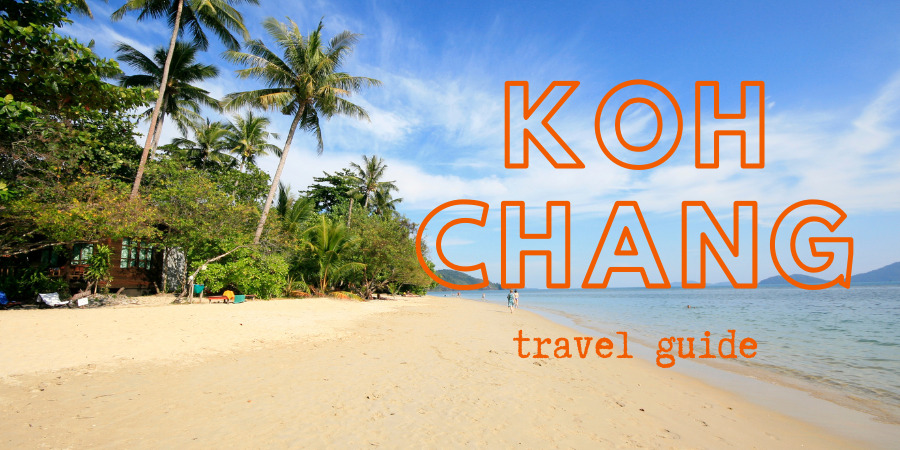
Koh Chang, ('Elephant Island' in Thai) is the third largest island in Thailand and part of the Mu Ko Chang National Park.
Compared to the bustling Phuket and Samui islands, Koh Chang offers a more peaceful and laid-back atmosphere, making it an ideal destination for travelers seeking to avoid the crowds. With a good range of accommodations, some excellent restaurants, and numerous bars, Koh Chang provides a perfect balance of relaxation and adventure.
This means Koh Chang is definitely worth visiting if you want to avoid mass tourism.
During covid-19 times many small businesses closed. However, a lot have returned and many more new ones have opened on the island. As of early 2024 the island is pretty much back to normal. Although visitor numbers are still lower than pre-covid times.
You're almost certainly coming here for a beach holiday. (Even if you're a digital nomad , you'll want to spend some time at the beach)
So, here's a brief run down of the island's main beaches. These are all on the west coast, with White Sand beach in the north and Lonely beach in the south. In between, you have Klong Prao - the longest beach on the island and Kai Bae beach.
Bear in mind that each beach has a different atmosphere. So there isn't necessarily a best beach on Ko Chang. Everyone has their own opinion about that. :-)
There are other, quieter, beach areas on the island and you'll learn more about them in the Island Guide which covers all corners of the island, not just the main beaches.
The closest to the ferry piers and by far the busiest & most touristy beach on the island. Everything you need is within easy walking distance of your resort. Accommodation is mostly 2-3 star resorts on the beach, the exceptions being KC Grande Resort and Kacha Resort. There's a wide choice of restaurants, plus beer bars, sports pub and numerous other watering holes.
The longest beach on Koh Chang and cut in three by a large river estuary in the centre of the beach and a much smaller one near the south. Here you'll find accommodation mostly in larger resorts.
The south end of the beach is home to some of the best family friendly resorts on the island Centrara Tropicana and The Dewa. In the centre of the beach there are two longstanding, basic budget options - KP Huts and Tiger Hut.
There are relatively few resorts for the length of beach and so it's easy to walk a few minutes and find a quiet spot to swim even in peak season. The village is a few minutes walk from the south of the beach. Near the north end, you'll find plenty of small shops and restaurants clustered on the roadside.
Kai Bae is also a beach of two halves. The south having by far the best stretch of sand. But the northern half having three of the islands best resorts adjacent to each other - The Chill, Gajapuri Resort and AWA Resort. All are excellent places to stay but the actual beach outside them isn't great..
The southern section is where you'll find locally owned bungalow resorts eg KB Resort, Kai Bae Hut, Kai Bae Beach Resort. These have expanded over the years and now offer a good 3* standard of accommodation. The main road lies at the back of the resorts and is lined with small shops and restaurants. But unlike White Sand beach, it has a bit more charm and is less commercial. And at the far southern end of the beach is Sylvan Resort, another good 4 star option.
The original backpacker beach on Koh Chang. Although it is now moving more upmarket. There are only three places to stay actually on the beach itself. Most accommodation is a few minutes walk south in a busy built up area. This is also home to a lot of cheap guesthouses and huts.
But the area is moving more upmarket with Nest Sense and Warapura Resort being the picks of places to stay. And the longstanding Oasis and Little Eden which are very popular with 'flashpackers'.
Finally, if you plan on doing some island hopping, there are also extensive guides to Koh Wai, Koh Mak and Koh Kood.
These include include essential information on boats to the islands, the best beaches, accommodation and what to see and do on the islands. They are all worth visiting if you have time and all have a very different vibe than Koh Chang.
Where to Stay on Koh Chang? Koh Chang isn’t a small island and all the beaches have a different vibe. So deciding which beach to stay on is the most important choice once you have desired to visit the island. So before you...read more...
I've mentioned a few places to stay above. But I've also written some handy guides on accommodation on Koh Chang which cover different types of places.
If you want to avoid reading through the hundreds of reviews on this site then just go to this extensive rundown of the best accommodation on Koh Chang. This covers everything from 5 star resorts and pool villas to guesthouses and simple beach huts.
You'll find all types of accommodation on the island. For visitors on a tight budget there are some great hostels.
Or for those of you who want to avoid the larger resorts but enjoy some home comforts, Koh Chang has a growing number of boutique resorts. Take a look at some of the best boutique stays.
Airbnb rentals were taking off on Koh Chang before coronavirus and they are sure to be even more popular now. Expect more space than a hotel room and better value for money. Plus privacy and all the comforts of home. So, I've also got some picks of the best Airbnbs on the island.

My Picks for the Best Hotels, Resorts, Pool Villas and Bungalows There are reviews of around 100 places to stay on Koh Chang in the Accommodation section. This page is about helping to narrow the choice. Just a selected...read more...
Having decided on a holiday on the island and checked out a few hotels, all that remains is to figure out how to get to Koh Chang from Bangkok or elsewhere. Whether you plan on travelling by bus, plane or private car or minibus, you'll find all the information you need in the Transport section.
In brief, if you are on a budget then there are regular bus services from Ekamai Bus Station, Bangkok to the mainland ferry piers. Or you can book tickets for a shared minibus that would pick you up from your hotel in Bangkok or Pattaya and drop you off at your hotel on Koh Chang.
Private transfers by car or van are also easy to arrange for couples, groups or families who want to get here with the minimum of hassle.
If you plan on flying, Bangkok Airways has 3 or 4 flights a day to Trat Airport, from where Koh Chang is a short minibus and ferry ride away. As you'll see from the guide, passengers can easily take a minibus direct from Trat Airport to their hotel on Koh Chang.
There's also a useful page on getting around Suvarnabhumi Airport in Bangkok, which is the entry point to Thailand for most western tourists. Learn the layout of the airport and the best place to exchange money, how to get into the city centre or direct to Koh Chang etc.
As Koh Chang is an island, with no bridge or airport, you'll have to take a boat to get here. The boats to Koh Chang are all large car ferries. These run from 06:00 - 19:30 daily throughout the year and depart from two piers on the mainland.
Detailed timetables and information can be found on this bus and boat timetable page.
An ever increasing number of people are combining Koh Chang with a trip to Cambodia, either to Angkor Wat or the islands in the south. Fortunately, getting to Koh Chang from Siem Reap or Phnom Penh is relatively simple nowadays. You'll find more on this in the transport section.

Bus Timetables and Boat Schedules to Koh Chang Koh Chang Bus Timetables Before you email to ask, there are no trains due to the lack of railway tracks in this part of Thailand. The bus...read more...

Affordable, Door-to-Door Transfers to Koh Chang Trusted Koh Chang Transfer Service for over 18 years As an independent traveler trying to avoid the overcrowded islands in the South of Thailand...read more...
For many people a holiday is just about lazing in the sunshine and enjoying sunset cocktails. But there's plenty to do away from the pool and beach.
There are numerous activities to keep you occupied when you aren't sunning yourself. Including jungle trekking, snorkeling trips, jungle trekking, cooking classes, ATV riding, treetop adventure park, massage, scuba diving courses and elephant trekking.
And if you want to explore the interior of the island, grab a scooter and head off to discover various waterfalls which can easily be reached on foot. Or take a tough trek to the top of one of the mountains.
Afterwards, you may well need and inexpensive Thai massage to soothe your aching limbs.

Jungle Trekking on Koh Chang Surprisingly, few people bother making the effort to head into Koh Chang’s interior on a trek. But if you need some exercise whilst on holiday jungle trekking is...read more...

Koh Chang Snorkelling Guide Snorkelling is one of the most popular activities for visitors to Koh Chang. The best snorkelling sites rival those you’ll find in the south of Thailand...read more...
We've lived on the island since 2003 and in addition to running this site also have a small guesthouse, 'Baan Rim Nam' on Klong Prao beach which we rebuilt during covid.
I also post updates and snippets of info, photos and random ramblings on Facebook,com/iamkohchang
Message me if you need any specific information you can't find on the site.
Venturing Alone: The Allure of Solo Female Travel in Thailand The thought of solo travel has captivated the hearts of many adventurers around the world. In recent years, there has been a significant...read more...

During the 2023 low season, there’s been quite a lot of chatter on Thai Line groups about how quiet the island has been recently and the lack of budget allocated to promote the island or do...read more...


